National Indigenous Peoples Day
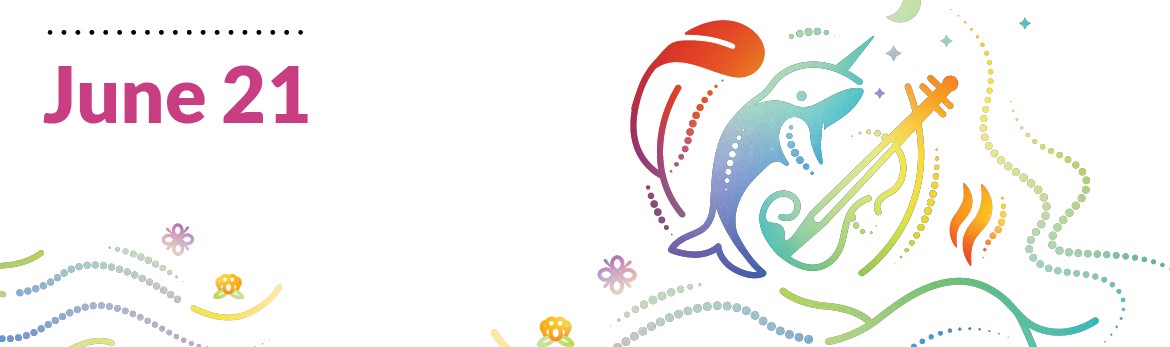
June 21, 2026 is the 30th anniversary of National Indigenous Peoples Day. It's a time to recognize and celebrate the traditions, cultures and contributions of First Nations, Inuit and Métis.
National Indigenous Peoples Day takes place on the summer solstice, the longest day of the year. For generations, many First Nations, Inuit and Métis communities have celebrated their cultures, languages, and traditions at this time of year. The summer solstice holds deep spiritual and cultural significance for many Indigenous Peoples, marking a time of renewal, connection, and celebration.
Get involved
Every year, First Nations, Inuit and Métis communities across the country host events on or around June 21 to share and celebrate their rich and diverse cultures and traditions.
Find an event or activity near you:
You can also take part by downloading and sharing images for National Indigenous History Month and National Indigenous Peoples Day, and joining the conversation on social media with the hashtag #NIHM2026 and #NIPD2026.
Background
In 1996, Governor General Roméo LeBlanc declared June 21 of each year as "National Aboriginal Day." This was the result of consultations and statements of support from various Indigenous groups:
- in 1982, the National Indian Brotherhood, now the Assembly of First Nations, called for the creation of National Aboriginal Solidarity Day
- in 1995, the Sacred Assembly, a national conference of Indigenous and non-Indigenous people chaired by Elijah Harper, called for a national holiday to celebrate the contributions of Indigenous Peoples
- in 1995, the Royal Commission on Aboriginal Peoples recommended the designation of a National First Peoples Day
On June 21, 2017, the Prime Minister issued a statement announcing the intention to rename this day "National Indigenous Peoples Day."
Today, National Indigenous Peoples Day is part of the Celebrate Canada program, which includes other cultural summer celebrations taking place across the country.